Guest Post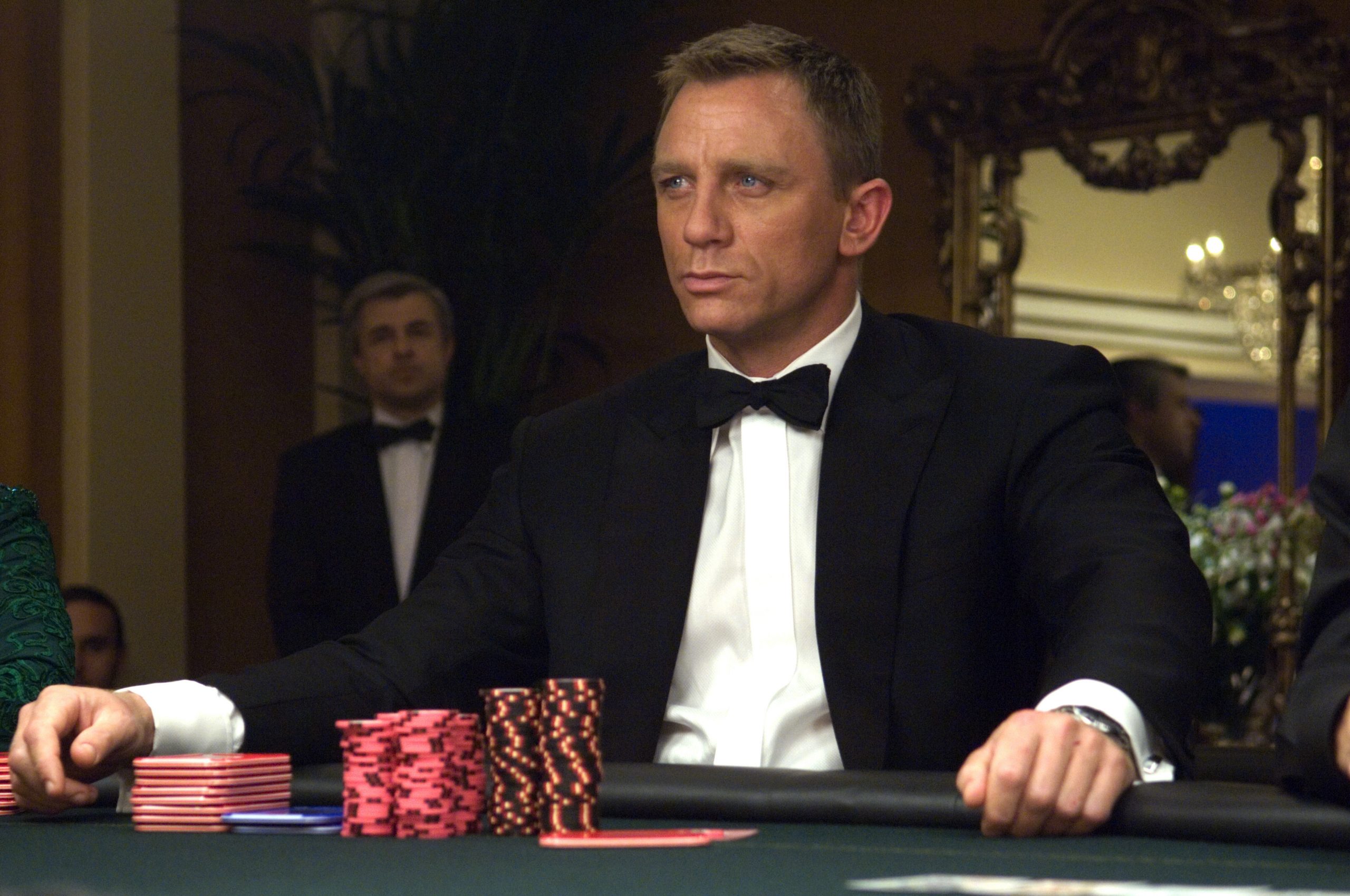
When Casino Royale hit theatres in 2006, it did more than just reboot the iconic James Bond franchise—it redefined the portrayal of gambling in cinema. Stepping away from the over-the-top, high-stakes theatrics often associated with Bond films, Casino Royale brought a raw, gritty realism to the world of poker tables and roulette wheels.
The film’s meticulous attention to detail in its depiction of gambling and its portrayal of Bond himself set a new standard for how casino culture would be shown on screen. But what went into creating this cinematic masterpiece?
Reception and Audience Response
From casting Daniel Craig as the new Bond to the carefully crafted poker scenes that became iconic, Casino Royale broke away from the traditional Bond formula in ways that would forever change the genre.
Gone were the days of impossibly elaborate gadgets and extravagant villain lairs. Instead, audiences were introduced to a more human and vulnerable Bond, one whose skill at the poker table could rival his abilities in the field.
Public interest in poker rose soon after. TV shows, tournaments, and online games saw a boost in new players. People who had never played started learning, inspired by the film’s smart and stylish game presentation.
The movie also shifted some attention from luck-based games to ones built on thought. That helped change how some audiences view and play pokies and other casino games. Traditionally, pokies were seen as pure games of chance, with their bright lights and flashy displays designed to captivate players. However, the film’s emphasis on strategy and skill encouraged a shift in how audiences viewed all casino games.
Players began to appreciate that certain games, including pokies, could involve more than random outcomes. They now saw these games as requiring patience, careful decision-making, and, in some cases, skillful strategies. This shift in perception encouraged a broader appreciation for the variety of casino games, highlighting that some games involved more than random spins and vibrant visuals.
In addition, critics noted that the film respected the audience’s ability to follow quiet tension. It didn’t rely on fast edits or loud moments to hold attention, which helped set it apart from past Bond films and other action movies.
Set Design and Casino Atmosphere
The team studied real casinos to make the poker scenes convincing. The casino in Montenegro played a significant part in setting the mood. Every detail was carefully chosen, from the suits worn to how chips were stacked.
Filming the poker scenes took more effort than expected. Actors had to repeat moves exactly, even down to the slightest glance. They repeatedly adjusted the lighting to create just the right level of tension in each frame.
Designers worked closely with poker experts to ensure every move followed actual rules. These experts helped coach the actors, ensuring that hand gestures, bets, and reactions looked natural. The results gave the scenes a quiet but powerful energy that kept viewers watching closely.
Poker as a Narrative Tool
Gambling had always been a part of Bond’s world, but this time it felt different. The game wasn’t just there for style in Casino Royale—it moved the story forward. The poker match became the battleground for Bond and his enemy, Le Chiffre.
Texas Hold’em was picked because it’s easy to understand but deep in strategy. That choice helped keep the audience involved, even if they weren’t familiar with the game. Basic rules were explained clearly without slowing down the story.
Each hand revealed something new. Bond’s risk-taking and calm under pressure came through without extra dialogue. These scenes also helped show how much was at stake—not just money, but lives and trust.
The pacing of the game also replaced traditional action. There weren’t explosions during these scenes, but the stakes were just as high. Viewers leaned in, reading faces and picking up clues from tiny details.
Casting and Direction
Choosing Daniel Craig as the new Bond stirred up early debate. He didn’t look like the traditional Bond, but that was the point. The production team aimed to show a rougher, more realistic agent at the start of his career.
Craig’s version of Bond wasn’t smooth in every move—he made mistakes, took hits, and didn’t always come out clean. This made him more believable and relatable. The decision also brought a more serious tone to the entire film, including the casino sequences.
Martin Campbell, who directed GoldenEye, returned to help guide this new version of Bond. His focus was on stripping away the gimmicks and making each scene count. Instead of depending on gadgets, the film relied on body language, pacing, and sharp dialogue.
Influence on Later Films
Casino scenes after Casino Royale started to look and feel different. Filmmakers noted how poker had been used to build suspense. Many slowed their pacing, letting players and their choices tell the story.
The film’s influence reached beyond just spy films. Heist movies, crime dramas, and TV shows started using similar techniques. Quiet looks, long pauses, and slow builds became common in gambling scenes.
It also made things seem more realistic. Movies could no longer throw in a quick game without thought—viewers now expected accuracy and emotion. The care taken in Casino Royale showed that serious effort could have a lasting impact.
Directors started giving more screen time to strategy, eye contact, and the personal stakes of the game. These changes helped deepen character development and made gambling scenes more than background action.
Final Thoughts
Casino Royale showed gambling could carry weight and meaning in a story. It transformed card games into pivotal moments filled with tension and thought. Bond’s return wasn’t just about action but focus and skill. The film left a powerful impression on how casinos and gambling are shown in movies. And that quiet pressure at the poker table still shapes film scenes today.