Danielle Solzman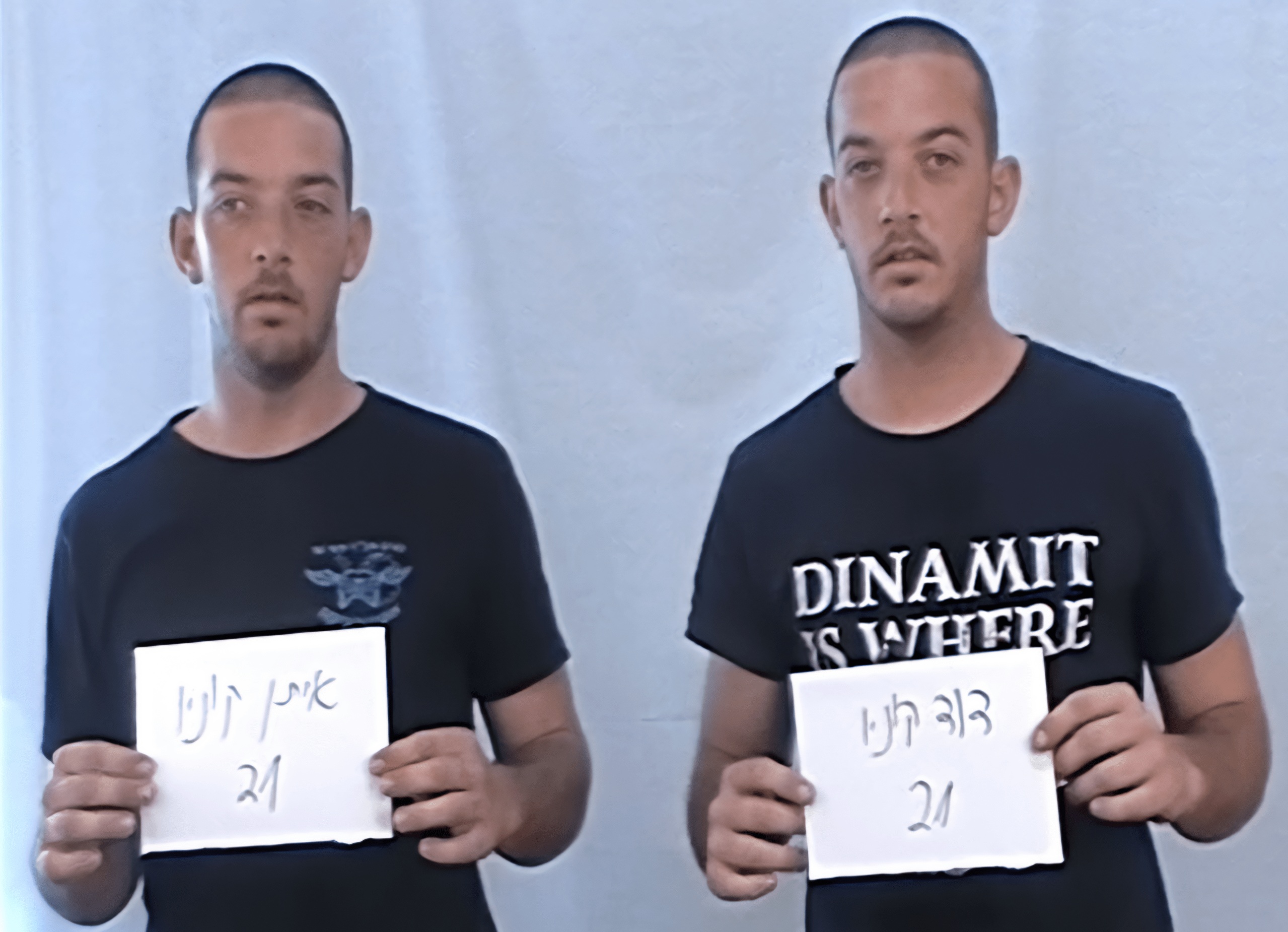
A Letter to David, centered on David Cunio and his family, is among the latest documentaries to emerge in the months following the barbaric attack of October 7.
I’ve been wanting to see this documentary since I first heard about it. It took a U.S. premiere for that to finally happen. At just 74 minutes, it’s a relatively short film—but given the subject matter, the length feels just right. While A Letter to David doesn’t use any footage from October 7, it quietly captures the emotional weight through the aftermath. That’s where the impact hits hardest.
A Letter to David is a deeply personal documentary from filmmaker Tom Shoval, crafted as a cinematic letter to David Cunio, who was kidnapped from Kibbutz Nir Oz and remains held in Gaza. Years earlier, David and his brother Eitan starred in Shoval’s debut feature Youth, a drama about a kidnapping that echoed their real-life bond. Now, Shoval revisits raw footage, behind-the-scenes moments, and old auditions to reflect on a shattered past and a reality transformed by violence. Without showing the horrors of October 7 directly, the film becomes a haunting meditation on memory, brotherhood, and the uncanny intersections between cinema and life, absence and presence.
As I publish this review on August 1, the Times of Israel header informs readers that we are now on Day 665 since October 7. A war that never would have happened if Hamas hadn’t launched the most barbaric attack against Jews since the Holocaust. Recent polling shows most Israelis support a hostage-ceasefire deal to bring the remaining captives home. Others would rather prolong the war—to resettle Gaza or cling to power ahead of the next election. You know who they are. But I digress.
One moment that shattered me while watching A Letter to David was the appearance of Shiri Bibas and Yarden Bibas—seen through footage filmed by the Cunio brothers in 2012. It’s devastating, especially knowing how many residents of Kibbutz Nir Oz were murdered or kidnapped by Hamas. Nir Oz was the hardest-hit community: a quarter of its residents were either killed or abducted. Among those seen in the 2012 footage and later murdered are Tamar and Yonatav Kedem Siman-Tov (along with their three children) and Ronen Engel.
That archival footage captures a Kibbutz Nir Oz that no longer exists. Yes, the kibbutzim are rebuilding, and some residents are returning—but will it ever truly feel like home again? I can’t answer that. What I can say, with full certainty, is that the footage makes A Letter to David more than a personal documentary—it’s a time capsule. It lets us see the faces, hear the voices, of those who are no longer with us.
The film’s haunting tone is underscored by Asher Goldschmidt’s powerful score. You feel it most during the end credits—a composition that wouldn’t feel out of place in a Holocaust drama, which says everything.
I haven’t seen Youth, but given its Berlinale premiere in 2013, it’s fitting that Tom Shoval returned to the festival with A Letter to David. Many major film festivals now refuse to screen Israeli films—not because of content, but seemingly out of political pressure. Israeli filmmakers are not the current right-wing coalition. So why are they being punished simply for being Israeli? Make it make sense. And it’s not just the festivals. Major streaming platforms are steering clear of October 7 documentaries, leaving filmmakers with no choice but to self-distribute. So far, only We Will Dance Again and The Children of October 7 have been acquired by Paramount+.
More than anything, A Letter to David is a filmmaker’s plea—for memory, for humanity, for the return of a friend. By reworking old footage into something achingly present, Tom Shoval doesn’t just reflect on a past collaboration; he reclaims it. He shows us David and Eitan alive with purpose and energy, walking the same paths that are now stained by unspeakable loss. Without resorting to shock or spectacle, the film honors life by refusing to forget. It’s a cinematic act of love, grief, and resistance—and a reminder that even in the face of horror, art can still bear witness.
Bring Them Home Now!
DIRECTOR/SCREENWRITER: Tom Shoval
FEATURING: David Cunio, Eitan Cunio, Sharon Aloni-Cunio, Silvia Cunio, Louis Cunio, Ariel Cunio, Lucas Cunio, Gita Amely, Tom Shoval, Dan Shoval
A Letter to David holds its U.S. premiere during the 2025 San Francisco Jewish Film Festival. Grade: 5/5
Please subscribe to Solzy on Buttondown and visit Dugout Dirt.