Guest Post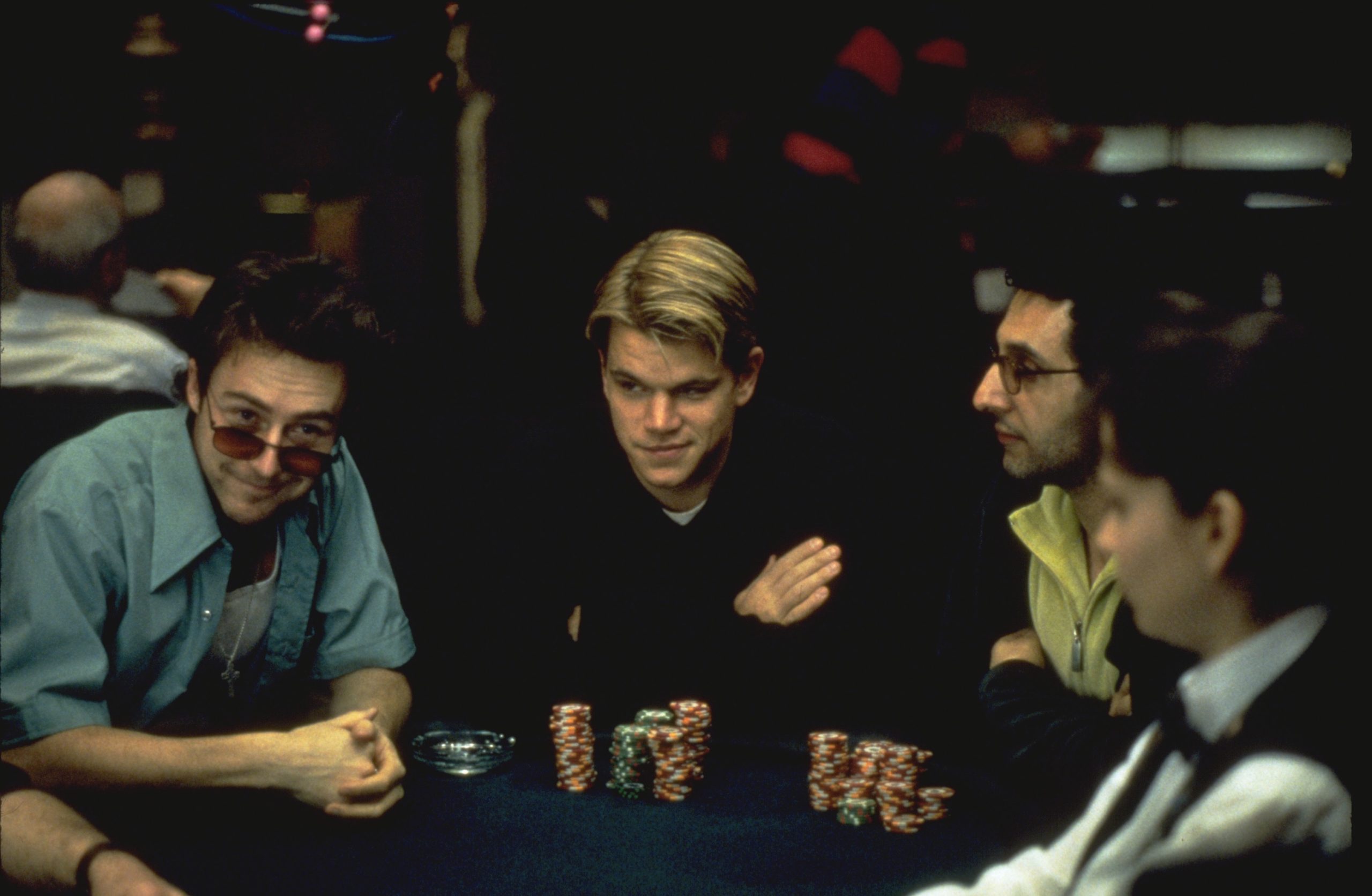
Gambling has always been a dramatic element in movies and TV shows. Whether it’s the tension of a high-stakes poker game or the rush of taking a chance at the roulette table, the thrill of gambling is often portrayed with maximum suspense. On screen, these moments bring excitement and offer a glimpse into the characters’ risk-taking and competitive spirit.
When it comes to iconic gambling scenes, some have stood the test of time, forever etched in the minds of audiences. These moments, filled with intensity and edge-of-your-seat tension, have made a lasting impact on viewers. From dramatic poker faces to risky bets, these scenes encapsulate the essence of high-stakes gambling.
The Big Jackpot
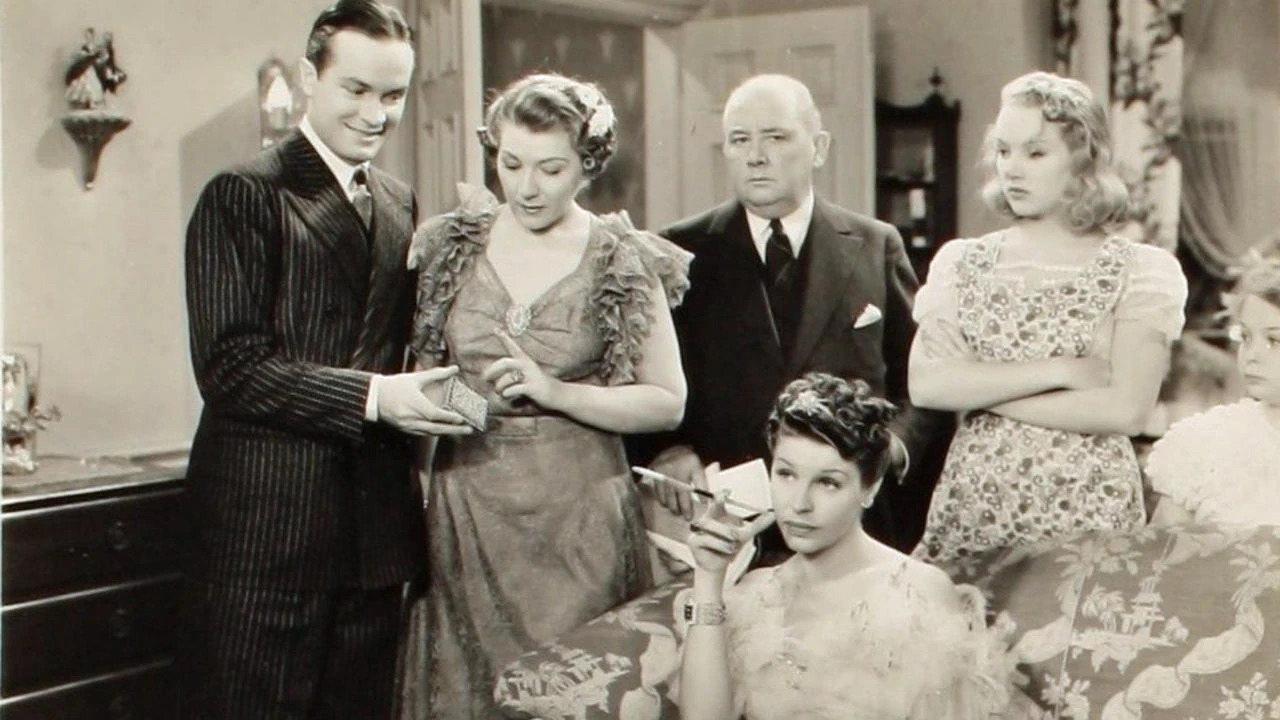
Set in the bustling city of Vancouver, The Big Jackpot showcases a high-stakes casino game in which characters face tough moral choices. As the game unfolds, players are pushed to their limits, grappling with the cards and internal conflicts. This moment isn’t simply about fortune—it’s about decisions that can change lives.
The film offers a unique glimpse into the world of Canadian casinos, blending intense drama with the allure of gambling. For viewers familiar with Canadian blackjack online, this scene feels recognisable and layered with added complexity.
The film’s portrayal of high-stakes gambling reflects this shift towards more accessible virtual platforms, where players still face significant emotional stakes—even without a physical setting.
This scene stands out because it blends the excitement of gambling with the deeper question of personal integrity. The characters must confront what they’re willing to risk—not just for money, but their sense of self. The choices made in this moment are pivotal to the story, and the tension is palpable.
Casino Royale
In Casino Royale, the poker game between James Bond and Le Chiffre is more than just a game of cards—a battle of wits, strategy, and nerves. Set in the glamorous Casino Royale in Montenegro, Bond’s mission is to stop Le Chiffre, a financier for terrorists, from winning the game and funding criminal activity. The stakes go far beyond money.
As the game progresses, viewers are drawn into a psychological showdown. Bond’s calm composure contrasts sharply with Le Chiffre’s growing desperation. Every move—folding, raising, bluffing—is laced with tension, and the game becomes a metaphor for Bond’s broader struggle.
The final hand—where Bond plays his opponent’s emotions rather than just the cards—perfectly represents the high-stakes nature of both gambling and espionage.
Breaking Bad
In Breaking Bad, the stakes of gambling stretch beyond the financial. Jesse Pinkman’s poker game is emblematic of his struggles with identity and redemption. He’s not simply playing cards—he’s trying to assert himself in a world where he feels increasingly powerless. His need to prove himself to his friends and regain self-worth makes the game feel more intense than any high-stakes wager.
Framed within Jesse’s ongoing character development, the scene takes on emotional weight. He’s far from a conventional poker player; instead, he’s someone trying to escape his troubled past while dealing with the emotional consequences of his choices. The game itself becomes both a literal and symbolic battle.
Each hand he plays feels like a step forward or backward in his journey of self-realization.
The Simpsons
Gambling in The Simpsons is often a comedic take on real-world excess. This is hilariously shown in a memorable scene where Bart exaggerates a story about his father, Homer, being an excessive and reckless gambler. Homer continues to “hit” in blackjack even after reaching 21; talk about a “D’oh!” moment.
This scene exemplifies how the show uses gambling to satirize greed and excess, offering a light-hearted yet pointed look at the absurdity of high-stakes betting.
Despite its comedic tone, the show conveys an underlying message about the dangers of greed. The over-the-top nature of the scene reinforces the idea that in the world of The Simpsons, gambling is just as much about power and vanity as it is about money.
Rounders
The final poker hand between Mike and Teddy KGB in Rounders is a masterclass in tension and strategy. Mike, a skilled poker player, is drawn back into the game to help a friend pay off a debt, putting him at odds with his past and future.
Cold and calculating, Teddy KGB is more than just an opponent—he represents the very world Mike is trying to leave behind. Their showdown is the emotional and psychological climax of the film.
The brilliance of this scene lies in its portrayal of poker as a game of nerve, strategy, and psychological insight. Success depends not just on the cards but on reading the opponent—and knowing when to take a risk.
In the final moments, when Mike chooses to bluff Teddy KGB, he displays the power of confidence and calculated risk. It’s a moment of personal redemption, as Mike triumphs over his fears and the shadows of his past.
Final Thoughts
From the intense poker game in Casino Royale to the comedic wagers in The Simpsons, gambling scenes in movies and TV have long captivated audiences. These moments showcase not just the thrill of risk, but also deeper emotional stakes.
Whether outwitting an opponent or confronting inner turmoil, these iconic scenes remind us of the drama that high-stakes gambling brings. As technology changes how we experience gambling, the excitement remains strong—whether on screen or through platforms like Canadian blackjack online.