Danielle Solzman
It was made public this week that Israeli actress Gal Gadot will not be attending the Venice International Film Festival. Whether antisemitism had anything to do with her decision is not yet known. What is known is that her representatives confirmed to Deadline that the actress “was never able nor was ever confirmed to attend the Venice Film Festival.” This news came around the same time we learned that antisemites signed a letter demanding that the festival disinvite the Israeli actress for no reason other than antisemitism. But the fact that such a letter was even written—and that it gained traction—reveals something troubling about where we are in 2025.
Are we really at a point where Israelis, simply by virtue of their citizenship, or Jews, for merely existing as Jews, should be forbidden from having a voice? Let’s be clear: Israeli citizens are not their government, and the larger Jewish community has no say in how Israelis vote. Like any democracy, Israel is made up of people with a wide range of political beliefs, including many who oppose the far-right coalition currently in power. To erase that complexity is not only intellectually lazy—it is dangerous. What does it accomplish by targeting Gal Gadot?
It’s one thing to be critical of the Israeli government and its policies, but one must be very careful to not get antisemitic in the process. This happens when one applies a double standard to the State of Israel that they don’t demand from other nations. It also happens when people compare contemporary Israeli policies to that of the Nazis. It’s antisemitic to hold Jews collectively responsible for the actions of the State of Israel. Lest we forget how way too many people wish to deny Jews the right to self-determination. Again, how is targeting Gal Gadot going to solve anything?
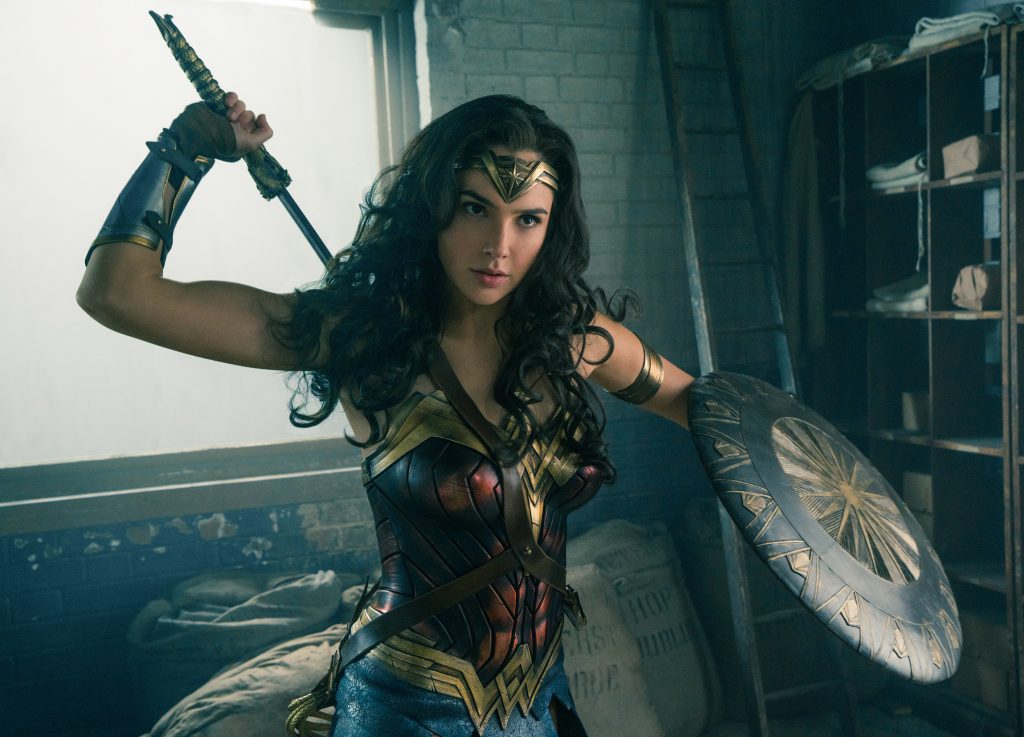
Silencing Gal Gadot is Not Activism
Demanding the silence of Israeli artists or Jewish voices in cultural spaces is not activism. It is complicity in antisemitism. It weaponizes art and entertainment against individuals whose only “crime” is their identity. No one calls for the disinviting of Russian, Chinese, or American artists because of their governments’ actions, although Russian propaganda should not be platformed by film festivals. Singling out Israelis or Jews—such as Gal Gadot—reveals the prejudice at play.
Some misinformation went viral before the facts were fully known, but this doesn’t change the reality: antisemites are attempting to silence Gal Gadot and other Israelis from being platformed at film festivals solely because of their nationality. They do not make the same demands of people from other countries. It’s almost always Israelis, specifically Jews who live in Israel. It doesn’t matter whether one agrees with the current government or not.
As the only Orthodox Jewish transgender film critic I know of, I’ve experienced this firsthand. Since October 7, I’ve been unfriended, unfollowed, and blocked in entertainment circles, and beyond. While I cannot speak for others, it’s clear that some harbor antisemitic sentiments that were not previously public. Jews are being pushed out of fandom and professional spaces simply for supporting Israel’s right to exist—even by those who were vocal about anti-racism in 2020. You cannot claim to be anti-racist while being racist against Jews.
Being blocked and silenced in spaces I once trusted is isolating and disheartening. It forces Jewish creators and critics like me to constantly assess where it is safe to participate in cultural conversations, and at what cost. Even approaching the upcoming Toronto International Film Festival, I debated whether to wear my Judaica. But after what happened with The Road Between Us: The Ultimate Rescue, I am doubling down on my Jewish pride—and I will not let fear silence me.
The entertainment world must do better. True solidarity does not mean silencing Jews or Israelis—it means creating space for dialogue, art, and complexity, even in moments of political tension. Silencing Gal Gadot or other Jewish voices will not bring peace, and it certainly will not advance a two-state solution. When film festivals largely ignore Israeli films or silence Jewish artists, it should alarm anyone who believes art is meant to bridge divides, not enforce them.
Please subscribe to Solzy on Buttondown and visit Dugout Dirt.