Danielle Solzman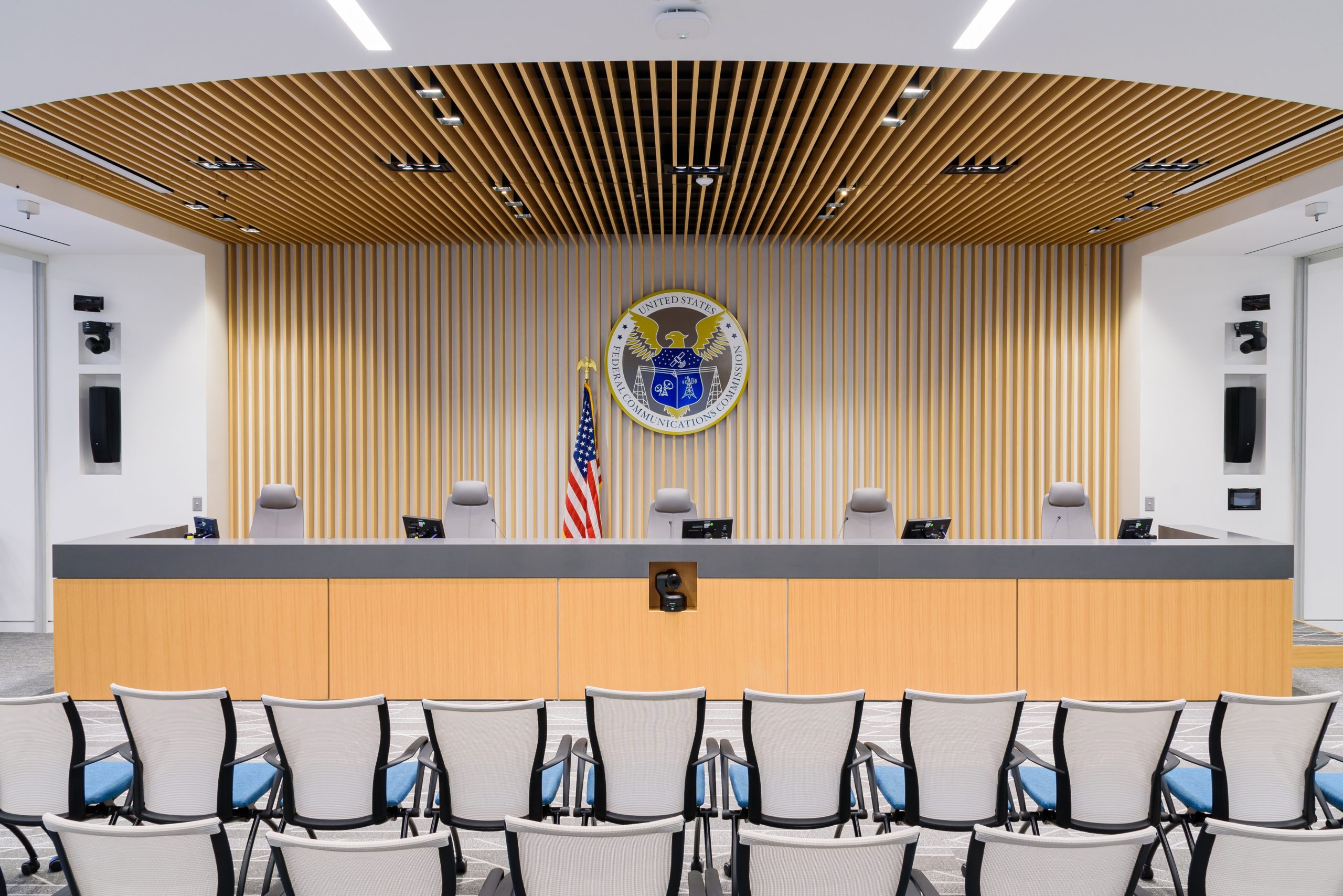
Donald Trump is at it again. His latest idea? That the FCC should strip television networks of their broadcast licenses for being too critical of him. This comes after Jimmy Kimmel was suspended following government intimidation directed at ABC.
During a September 18 press gaggle aboard Air Force One, as he flew back to the United States from the United Kingdom, Trump claimed: “I read someplace that the networks were 97% against me…They give me only bad publicity or press. I mean, they’re getting a license. I would think maybe their license should be taken away. It will be up to Brendan Carr.”
FCC Isn’t Here to Babysit Trump’s Ego
Let’s pause for a moment here. First, Brendan Carr, the FCC commissioner Trump name-dropped, doesn’t have that power. Broadcast licenses are overseen by the Federal Communications Commission as a body, not by a single official. And the FCC doesn’t exist to babysit Trump’s ego—it exists to regulate technical issues like spectrum use and to ensure stations serve the “public interest.” That’s not the same thing as serving the president’s personal interests, no matter how loudly he whines about coverage.
Second, even if Trump understood how licensing works, the Constitution is in his way. The First Amendment was written precisely to stop thin-skinned politicians from weaponizing government power against the press. Courts have been crystal clear on this point. Coverage can be biased, slanted, or even harsh—but it’s not grounds for punishment from the government.
As a reminder, the First Amendment states: “Congress shall make no law respecting an establishment of religion or prohibiting the free exercise thereof; or abridging the freedom of speech, or of the press; or the right of the people peaceably to assemble, and to petition the Government for a redress of grievances.” This is exactly what Trump’s musings would undermine if taken seriously.
And here’s the kicker: the FCC is bound by the same constitutional limits as every other agency. It can decide how frequencies are allocated, or whether stations are meeting technical requirements, but it cannot and must not decide whose coverage is too mean to the president. The moment the FCC even tried to revoke a license for political reasons, the courts would swat it down.
And yet here we are, with a president in office openly fantasizing about using federal power to control what you watch on TV. It’s not subtle. It’s not a gaffe. It’s a statement of intent.
Presidents have always been tempted to lean on the FCC when coverage gets tough. Richard Nixon tried to sic the FCC on stations he thought were unfriendly, but the courts didn’t let it fly. Steven Spielberg’s The Post captured the paranoia of that era, dramatizing how Nixon raged at the press for coverage he didn’t like. Ben Bradlee’s (Tom Hanks) line to Katharine Graham (Meryl Streep) in the film still resonates: “We can’t have an administration dictating our coverage just because they don’t like what we printed about them in the newspaper.”
The chilling part is that what once played as historical drama is no less relevant now than it was when Steven Spielberg decided to rush the film into production in 2017 because it was a story he felt needed to be made then, not in another two or three years. When Trump suggests licenses should be revoked over bad coverage, he’s not talking about accountability. He’s talking about retribution. That’s not democratic—it’s authoritarian.
If networks pull punches because they fear the FCC might yank their ability to broadcast, the losers aren’t the executives or the anchors. The losers are the public. We depend on a free press to challenge those in power, not bow to them.
As Bradlee warned Graham in Spielberg’s film, the press isn’t here to make presidents comfortable—it’s here to make sure the public stays informed. Trump, apparently, missed that memo.
Please subscribe to Solzy on Buttondown and visit Dugout Dirt.