Byron Burton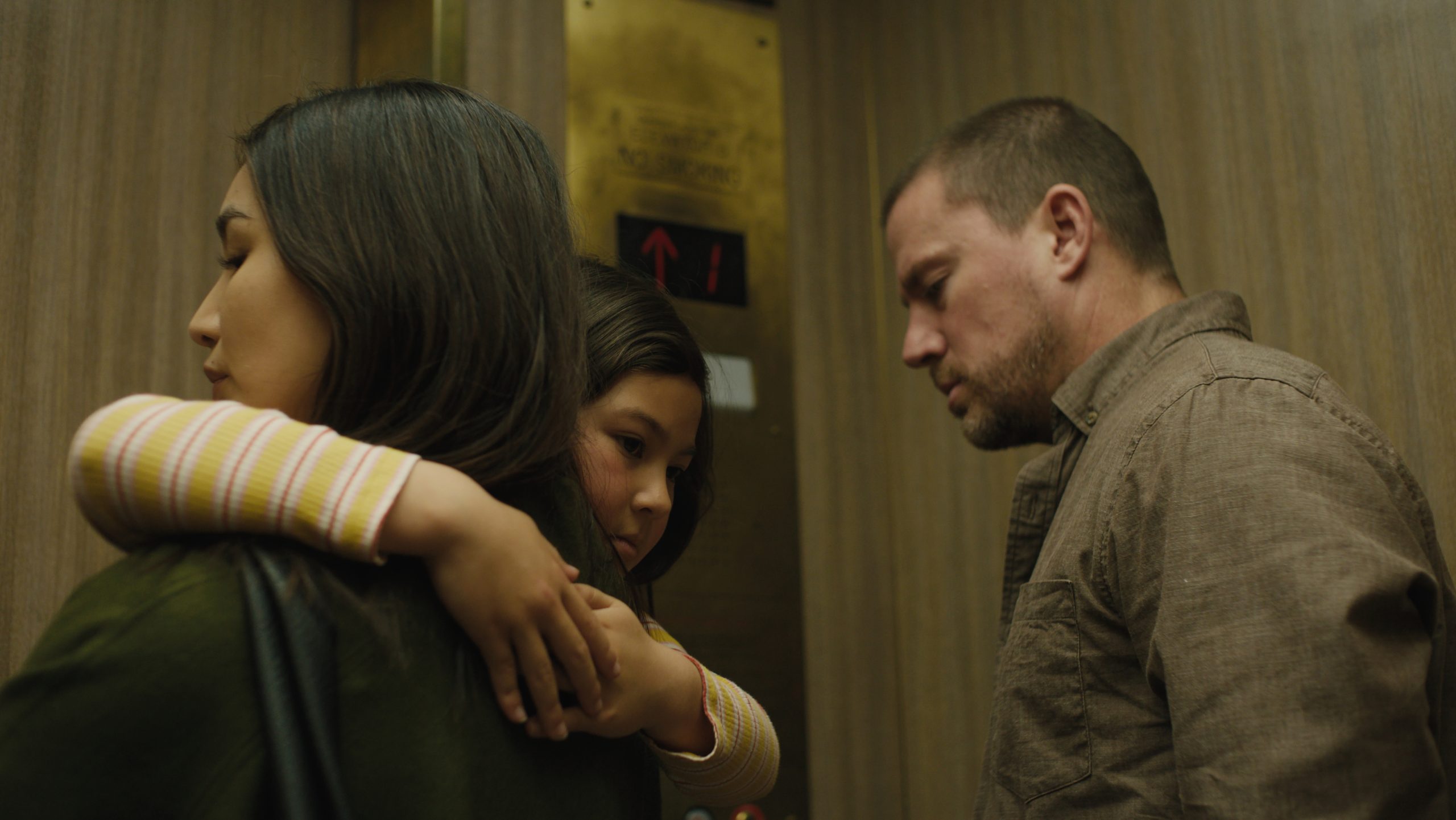
Auteur director Beth de Araújo stuns with Josephine, an intimate portrait of childhood trauma anchored by Channing Tatum in a career-best performance. The writer-director’s second feature second feature follows eight-year-old Josephine, a normal girl experiencing life normally — until that safety net of idyllic reality is shattered.
The role is a challenge that Mason Reeves is more than up for, distilling complex emotions and confusion into a heartbreaking performance you cannot look away even after the credits.
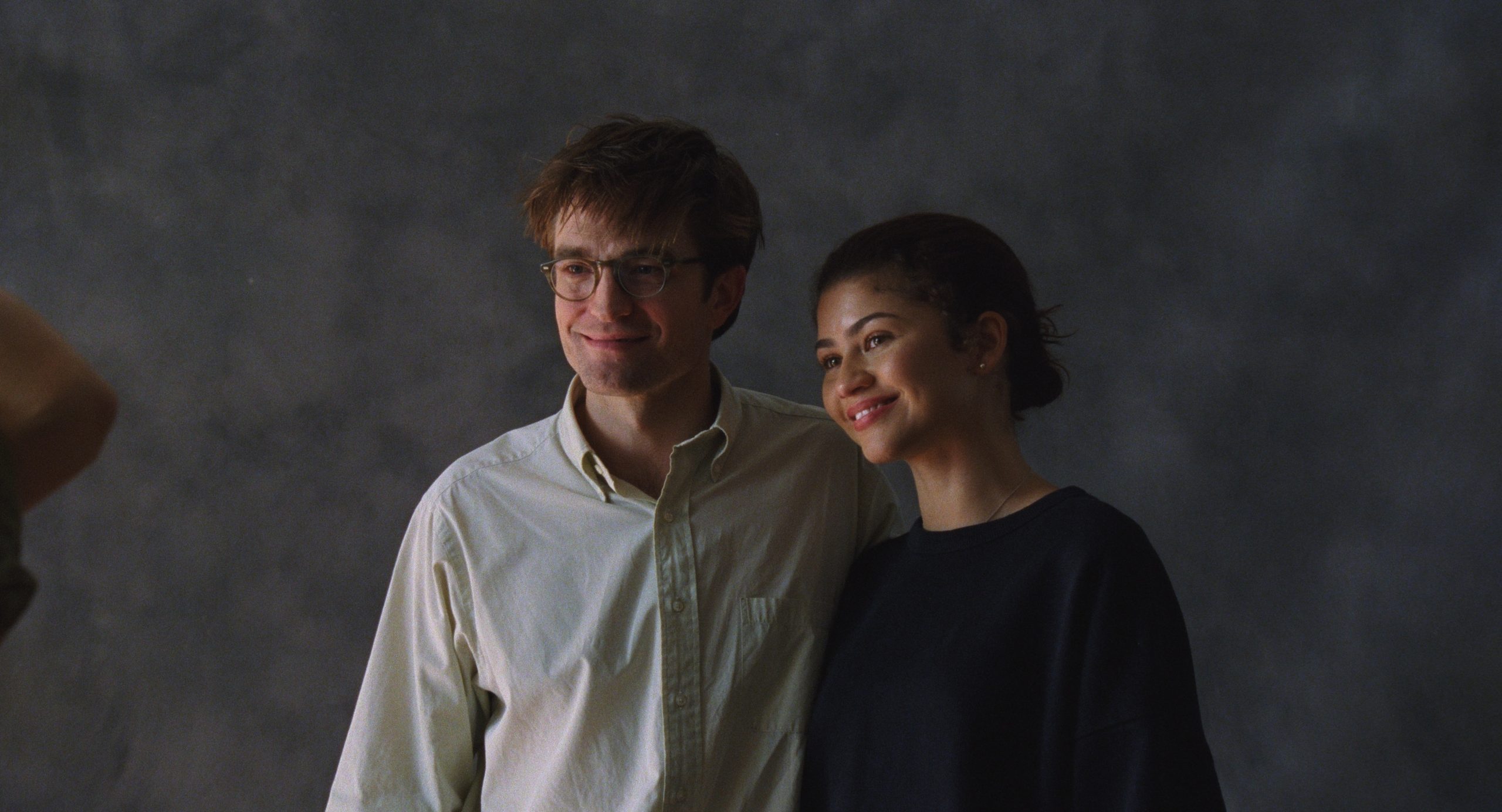
Josephine likes playing soccer with her dad Damien, and very little dialogue is required to showcase their bond. Channing Tatum gives his best turn yet as Damien, and the actor has long deserved this sort of critical recognition. There’s a tender, playful connection between them that feels all too real. San Francisco’s Golden Gate Park is a gorgeous backdrop for the inciting incident that is moments from pouncing on her normal childhood. Having run ahead of her father, Josephine suddenly finds herself confronted with the visceral horror of a woman being raped — screaming and fighting, the trauma downloading onto the young girl in real time. Cinematographer Greta Zozula puts the audience inside that experience, branding it alongside Josephine. The girl knows something is profoundly wrong, yet she cannot begin to comprehend the totality of what she has witnessed.
To understand Josephine’s confusion and escalating aggression — why she begins to act erratically, lashing out at the people closest to her — you need to know the unresolved horror she can’t shake from her mind. The film covers the aftermath with both parents, placing Gemma Chan performance opposite Tatum. It’s clear they are poorly equipped for this situation. Claire attempts to jumpstart the healing with distractions, then psychotherapy — which the film provocatively drops before it ever begins.
Chan is given somewhat less real estate and makes the most of every scene she occupies, though the film’s structural weight does tilt toward the father-daughter relationship. As Claire, she embodies a particular kind of maternal helplessness — competent, loving, and utterly ill-equipped — and her best moments come in the quiet spaces between decisions.
Damien, identifying with the helplessness the victim felt, steers Josephine toward self-defense classes. Neither parent will walk their daughter through the realities of what she witnessed. When Josephine asks her father if it will happen to her, his response is well-intentioned and heartbreaking in equal measure, eliciting immense empathy for a man drowning in his own limitations.
When Josephine begins seeing the man from the park in her room at night — triggered by being called as a trial witness — Miles Ross’s score is given a front row seat, accompanying her unprocessed terror with an intensity that occasionally borders on overdone. Chan’s work as Claire offers brief but elevating moments, though it’s clear that Tatum has the breakout role in this family’s very intimate battle.
Of course, none of it works without Reeves, a rare natural talent whose performance is the film’s beating heart. It’s quite possible that Tatum’s effortless, understated presence helped ease her into the harder scenes — at his core he plays a father whose good and bad parenting instincts make him all the more relatable, and he manages to strike a chord with audiences that rings long after the credits roll.
DIRECTOR/SCREENWRITER: Beth de Araújo
CAST: Mason Reeves, Channing Tatum, Gemma Chan, Philip Ettinger, Syra McCarthy, Eleanore Pienta