Danielle Solzman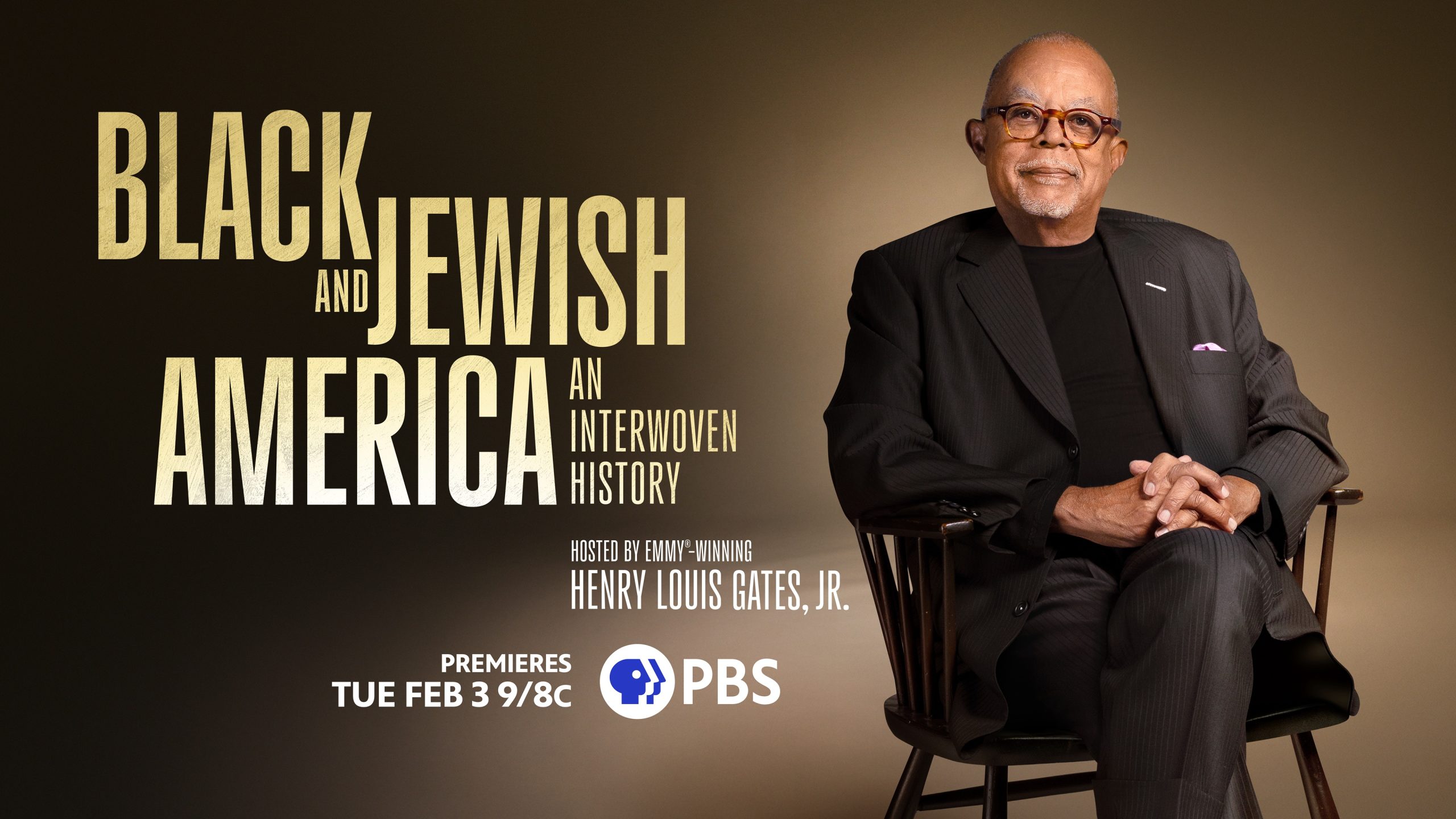
Black and Jewish America: An Interwoven History is a four-part PBS documentary series examining the complex relationship between Black and Jewish Americans.
United by shared struggles against racism and antisemitism, the two communities built civic and cultural connections, particularly during the civil rights era. In four episodes, the documentary series highlights both the challenges and enduring promise of this alliance.
Black and Jewish Americans began from very different starting points, but by the early 20th century, shared experiences of racism and antisemitism drew them together. These common struggles fueled civic partnerships and creative collaborations in music and film that helped shape American popular culture. After World War II, the horrors of the Holocaust strengthened their bond, and during the civil rights era, Jewish Americans worked closely with Black leaders to challenge segregation and fight for equality.
Yet the alliance was never without tension. Each community often turned inward to focus on its own struggles, and the historic partnership faced strains amid a changing social and political landscape, especially during the late 1960s. Still, the four-part PBS documentary series reminds viewers that the hope for solidarity endures, even in the face of persistent injustice.
Black and Jewish America follows Dr. Henry Louis Gates Jr. as he speaks with scholars, activists, religious leaders, and writers, exploring moments of deep connection alongside episodes of division. They include Billy Crystal, Tony Kushner, Anna Deavere Smith, Al Sharpton, David Remnick, the children of noted civil rights figures Rev. Ralph Abernathy, Rabbi Abraham Joshua Heschel, Rabbi Israel Dresner, and more. The result is a thoughtful look at the complex, sometimes painful, but enduring relationship between these two influential communities.
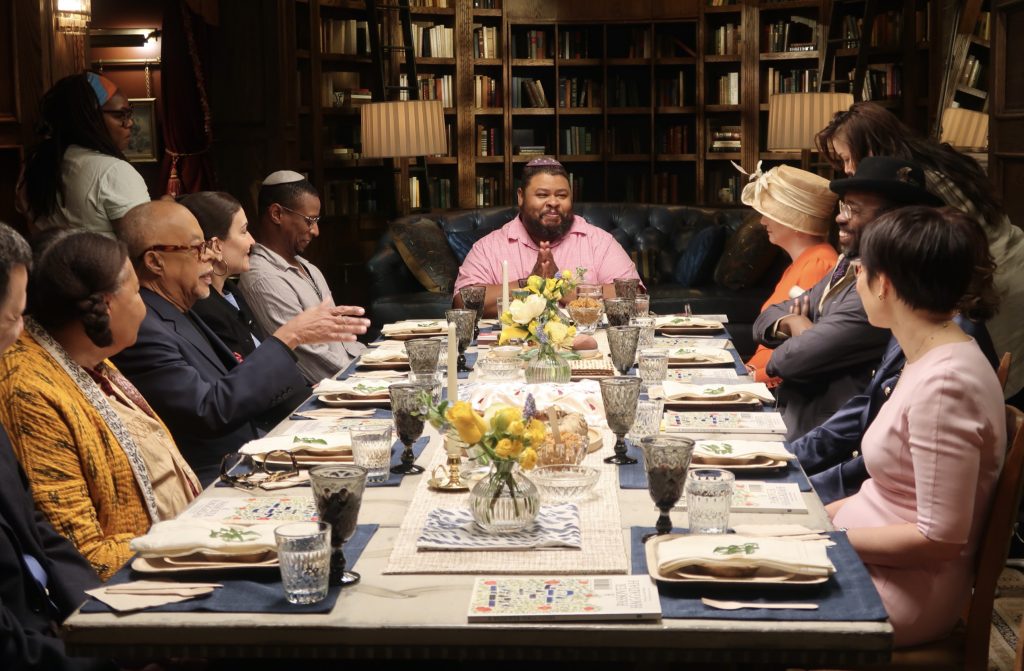
The four episodes of Black and Jewish America are rather distinct in how they explore this dual biography. But in order to get to where we are now, we have to look at the beginning of the two communities. Jews didn’t start coming in mass to America until the late 1800s, but the first Jews arrived in America well before the American Revolution, and it wasn’t always easy. Adam Jortner’s A Promised Land makes for complementary reading in that regard. But anyway, Jews had been scattered and sent into exile, away from our indigenous homeland of Eretz Yisrael. America became something of a new Jerusalem and an escape from European antisemitism.
As for Black Americans, they were taken away from their homes and sold into slavery. What I found interesting through watching “Let My People Go” is how they turned to English translations of the Torah, particularly the Book of Exodus, and how they resonated with the Israelites being liberated from slavery and bondage in Egypt. It’s through learning that in which we understand why there was an overlapping struggle, faith, resilience, and early civic partnerships by the time the 1920s came around.
Audiences might not have a chance to watch the next three episodes yet, but they are equally compelling. The second episode, “Strange Fruit”, touches on topics that have been covered by plenty of films or books by this point, seeing as how it focuses on music, movies, and the fight against fascism. While there’s a missed opportunity in not turning to film historian Leonard Maltin, you can’t go wrong with Hollywood: The Oral History co-author Sam Wasson. One of the things I learned was Billy Crystal’s connection to musical artist Billie Holiday. But at the same time as creative collaborations are taking place, the communities have to navigate tensions shaping culture, confronting injustice, and leaving a lasting social impact.
“The ‘Grand Alliance’” takes Black and Jewish America into the Golden Age of the Civil Rights movement. This was when both communities fought in the battle for civil rights as part of a transformative interracial coalition. The imbalances tested the alliance as the groups continued growing further apart on the economic side. And again, this particular episode runs about 50 minutes but could easily be expanded to break things down further. There were things I learned here about the movement that I didn’t previously know. Chances are likely they’ve been covered in books that I’ve been meaning to read and haven’t.
“Crossroads” explores the cracks that were growing in Black and Jewish America as the 60s gave way to the 70s. There was a noticeable shift in the Black and Jewish relationship. A few years stand out in particular: 1967 and 1975. That’s before we get to the Crown Heights riots in the early 1990s. As I told co-directors/executive producers Phil Bertelsen and Sara Wolitzky, if I didn’t see the Bayard Rustin biopic, his name would have been completely new to me.
Rustin was part of the old guard in the Civil Rights movement that stood by the Jewish community in the years after the Six-Day War and as an outspoken Zionist. He was the director of the Black Americans to Support Israel Committee and an outspoken Zionist. Mind you, I’m entering this series through the lens of being Jewish in America, but I can’t help but notice that we’re still talking about some of the same things now that were discussed then. At a time when both communities should be fighting for our shared values—and especially against fascism—there is still a divide in other aspects. For instance, Black Lives Matter Chicago has a history of antisemitism.
Black and Jewish America doesn’t ignore October 7. Some of my readers might appreciate how Dr. Gates and team approach this part. Others, I would assume, will not. I assume the same will apply when it comes to interviewees who are known to be antizionist (which, let’s be honest, this ought to be moot in 2026 because nobody should be against Jewish safety or Jewish self-determination). This particular episode won’t air until February 17, so I’ll hold off on extra thoughts for now. The episode in full touches on political gains, global tensions, rising hatred targeting both communities, and the enduring lessons of coalition building and solidarity.
Each episode of Black and Jewish America runs around 50 minutes, and G‑d only knows how much is sitting on the cutting room floor. In my interview last week, co-director Phil Bertelsen mentioned being eager to tell “how historically Black colleges and universities made a place for Jewish intelligentsia who had to leave Europe, leave their careers as educators and academics behind, and were not accepted in traditional universities to teach, but were widely accepted at HBCUs.” It was one story that got left behind.
Black and Jewish America: An Interwoven History could easily span more than four episodes, but what we have here is essential viewing.
DIRECTORS: Phil Bertelsen, Sara Wolitzky, Julia Marchesi
SCREENWRITER/HOST: Henry Louis Gates Jr.
Black and Jewish America: An Interwoven History premieres February 3, 2026, at 9:00 PM ET on PBS, PBS.org, and the PBS app, and it will run for three consecutive Tuesdays through February 17. Grade: 5/5
Please subscribe to The Solzy Report and visit Dugout Dirt.