Danielle Solzman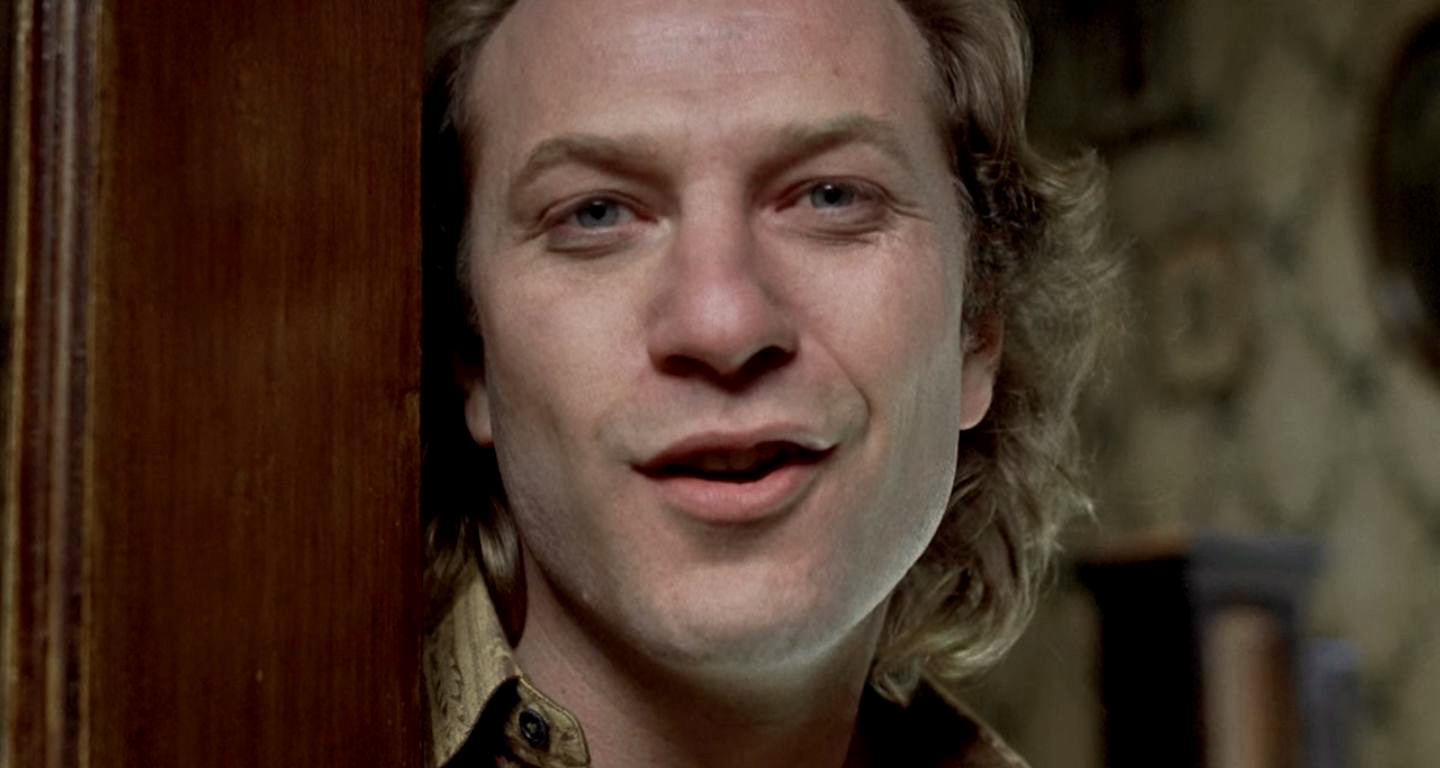
The Silence of the Lambs turned 35 this week, and Buffalo Bill actor Ted Levine is finally speaking about its transgender backlash. For some of us, that reckoning is decades overdue.
Thirty-five years later, The Silence of the Lambs still forces a reckoning over transgender representation in mainstream cinema.
If the Jonathan Demme film had never been honored by AFI, I would never have recorded it on BBC America in 2009 and would never have pressed play. For starters, my understanding was that it was a horror film. But when I finally pressed play that February, I came to realize The Silence of the Lambs was a psychological thriller. However, one reason why I put it off is the same reason it remains troublesome all these years later: the film’s awful transgender representation.
Demme discussed the criticism of The Silence of the Lambs in 2014, telling The Huffington Post that Buffalo Bill “didn’t wish to be another gender” and that the character didn’t have a “sexual preference.” Demme died in 2017, but one’s gender identity has nothing to do with sexual orientation. One can be transgender and straight, gay, lesbian, bisexual, asexual, pansexual, etc. The list goes on and on. And that’s not even before Demme went on to say the following:
“He wished he was a woman not because he always wanted to be a woman. This was another way to escape.”
If someone assigned male at birth wishes they were a woman, I’m sorry, but that’s textbook trans. It’s not an escape, and that’s part of the problem with The Silence of the Lambs and why it received deserved backlash from LGBTQ viewers. Had I watched it earlier than I did, I would have seen the same problems that I saw when I finally watched it. It’s part of a larger problem on both the big and small screen. Transgender characters were too often reduced to punchlines or pathology. I have no desire on earth to revisit Ace Ventura: Pet Detective for that reason.
Transgender characters should never be reduced to pathology.
If transgender characters had been humanized rather than played off as jokes, I could have been more open about my identity at an earlier age rather than suppressing myself for as long as I did. Instead, I had to express myself in private whenever I had the chance, even when I didn’t have the words. I spent way too many years reading or writing trans fiction for this reason. It’s because I couldn’t be myself in public, not even openly while living at home. But despite searching for “sex change” and “boy wants to be girl” in 1999, I didn’t have the education or awareness to know why I was doing so at the time.
When we talk about characters like Buffalo Bill, there is real harm that comes with them, whether it was intended or not. That’s why I’m glad that Ted Levine is finally opening up about the impact of his character in The Silence of the Lambs. What’s surprising is that Levine is only now addressing the backlash to his character. If I had the opportunity to be part of an earlier press tour, you better believe I would have asked him the question. Someone needed to have asked it a long time ago. It should not have taken 35 years to ask.
Thanks to the Trans Tipping Point in the mid-2010s, transgender issues are very different now than they were when The Silence of the Lambs was in production. It was during that period that I finally had the language and came out to myself as transgender. But given where things were in the early 1990s, it’s reasonable that the actor didn’t have concerns when he was performing in front of the cameras. Thankfully, he’s grown to understand why there was backlash, telling The Hollywood Reporter:
“[It’s] just over time and having gotten aware and worked with trans folks, and understanding a bit more about the culture and the reality of the meaning of gender. It’s unfortunate that the film vilified that, and it’s fucking wrong. And you can quote me on that.”
Levine further admits that he wasn’t playing the character as gay or trans:
“I didn’t play him as being gay or trans. I think he was just a fucked-up heterosexual man. That’s what I was doing.”
The problem was never just one character or one performance. It was an industry that rewarded The Silence of the Lambs with Oscars while never asking who might be hurt in the process. It was an industry that did this again and again, whether those films were rewarded with Oscars or not.
Discussing The Silence of the Lambs at 35 isn’t about canceling a classic. It’s about acknowledging that prestige does not place a film above critique—and that representation has consequences long after the trophies are handed out.
For some of us, those consequences were never theoretical.
Please subscribe to The Solzy Report and visit Dugout Dirt.