Danielle Solzman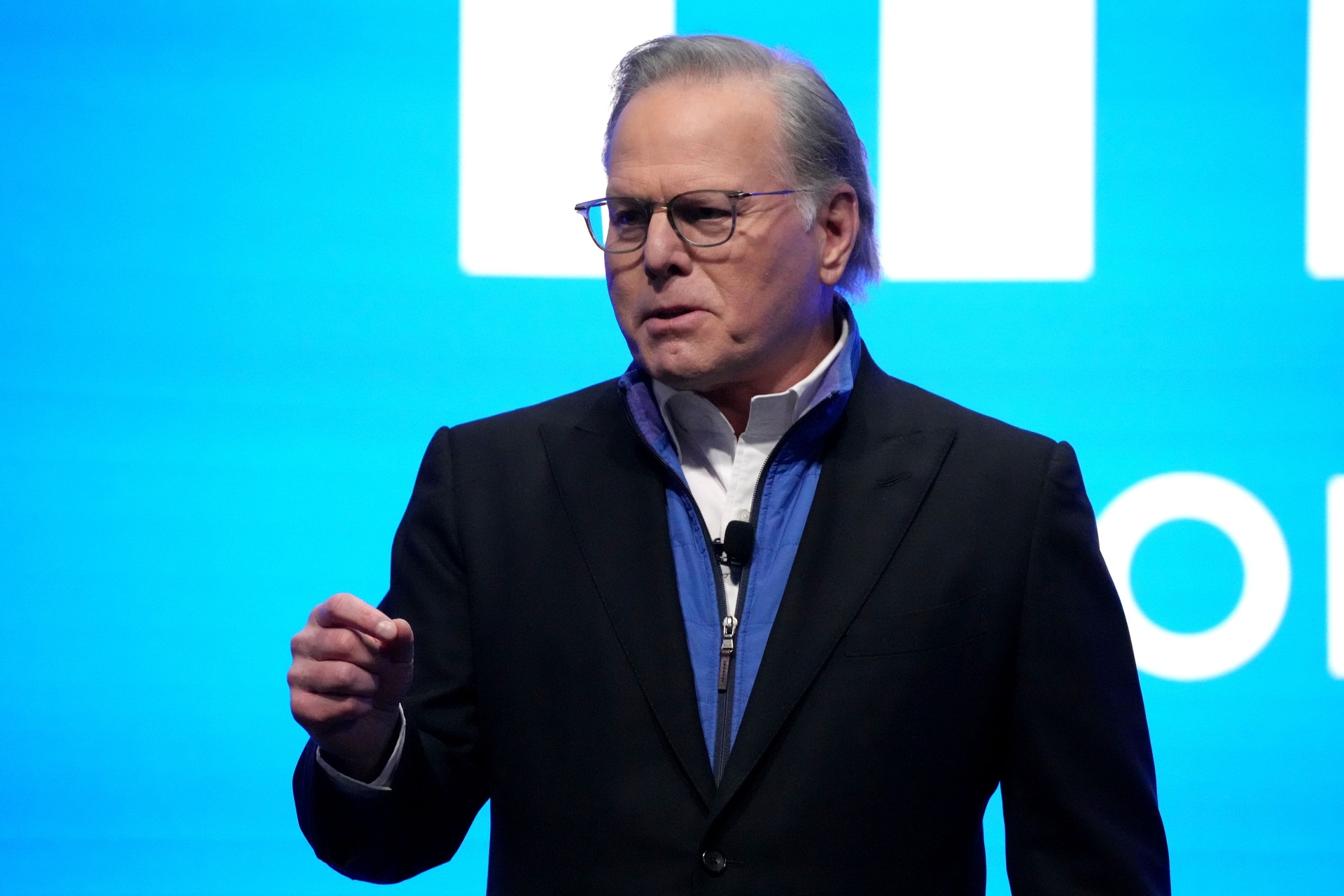
The Ellison Takeover Puts Warner Bros., HBO, and CNN Under Political Influence
Warner Bros. is not for sale.
Not to the highest bidder. Not to a politically connected billionaire heir. Not in a hostile takeover that threatens the independence of America’s most storied media institutions.
Warner Bros. is one of the foundational pillars of American storytelling—a studio built by immigrants, shaped by risk-takers, and sustained for more than a century by artists, journalists, and audiences who believed that stories matter. It survived the Depression. It survived antitrust breakups. It survived the collapse of the old studio system.
It should not have to survive a hostile takeover backed by a politically connected dynasty.
This is not just another merger story.
After Netflix backed away from its $83 billion bid, the path cleared for David Ellison and Paramount Pictures’ parent company to pursue control of Warner Bros. Discovery. On paper, it’s a higher offer—$111 billion. On paper, the board can call it a “superior deal.”
But the Warner Bros. takeover is not just about price per share.
It is about power.
When David Zaslav merged Discovery, Inc. with Warner Bros., the justification was scale. Survival. Competing with tech giants in a brutal streaming economy. No one suggested Warner Bros. would become a trophy in a hostile pursuit underwritten by Larry Ellison’s fortune.
Let’s be honest: without Larry Ellison’s money, this takeover would not exist.
David Ellison did not build Warner Bros. He did not build Paramount. He is an heir with access to capital powerful enough to absorb legacy institutions whole. If this deal is approved, he would control two of the most storied studios in American film—Paramount and Warner Bros.—along with HBO and CNN.
That is not routine consolidation.
That is extraordinary concentration of cultural and journalistic authority.
The Warner brothers—Harry, Albert, Sam, and Jack—built an institution that helped define the American century. They did not build it so that, generations later, it could be folded into a media empire aligned with political power because a billionaire family decided it wanted in.
And yes, politics matters here.
Larry and David Ellison have cultivated proximity to Donald Trump, who has publicly declared he would “be involved” in the outcome of this transaction. That statement alone should concern anyone who believes media independence is not optional in a democracy.
We have already seen how this dynamic unfolds.
When Skydance acquired Paramount, the deal was approved after Paramount paid $16 million to settle a lawsuit brought by the president against 60 Minutes—a settlement Stephen Colbert soon condemned as a “big fat bribe.” Almost immediately, CBS announced the end of The Late Show franchise, and Bari Weiss was installed as editor in chief of CBS News, folding her anti-trans outlet, The Free Press, into a legacy news division under the banner of “centrism” and effectively destroying the CBS News legacy in the process.
Ownership changed. Editorial direction shifted.
Call it whatever you want. The pattern is unmistakable.
Now apply that pattern to CNN under an Ellison-controlled Warner Bros.
This is why the Warner Bros. takeover is different from The Walt Disney Company acquiring 20th Century Fox. That merger raised legitimate concerns about consolidation and creative contraction. It shrank the marketplace. It reduced competition.
But it did not carry the same overt political proximity.
It was corporate expansion. This is potential political leverage.
The Warner Bros. takeover raises a more dangerous question: what happens when entertainment, prestige television, and a 24-hour news network operate under leadership comfortable aligning with presidential power?
Defenders of the deal will cite fiduciary duty. Shareholders will cite $31 per share. They will argue that rejecting a higher bid would be irresponsible.
But fiduciary duty is not blind obedience to the largest number on the table. It includes assessing long-term structural risk.
When control of Warner Bros.—including CNN—moves into the hands of a family closely aligned with a sitting president who has signaled personal interest in the outcome, that is not a neutral market event.
It is a structural shift in who shapes American narratives.
And where, exactly, is the guardrail?
The Department of Justice is tasked with antitrust review. But faith in regulatory independence has eroded. The administration has already demonstrated willingness to blur the line between political grievance and corporate approval. Pretending this takeover will unfold in a vacuum of influence is naïve.
Netflix walking away may have steadied its stock price. A Netflix–Warner Bros. combination would have created its own antitrust challenges. But there is a meaningful difference between scale driven by market logic and scale intertwined with political proximity.
Warner Bros. is not merely intellectual property.
It is Casablanca. It is The Wizard of Oz. It is journalism that informed Americans during war, scandal, and national crisis. It is part of the country’s cultural memory.
If Warner Bros. becomes another instrument in a politically connected empire, the impact will not be limited to Hollywood. It will shape what projects are prioritized. Which investigations are funded. Which voices are amplified—and which quietly disappear.
The Warner Bros. takeover is not just bad for Hollywood.
It is a test of whether concentrated media power tied to political access is a line America is still willing to defend.
The Warner Bros. Discovery board and its shareholders are not merely voting on a transaction. They are deciding who stewards one of the country’s most influential media institutions.
A higher bid does not absolve them of that responsibility.
Warner Bros. deserves better than becoming a bargaining chip in a dynastic power play.
The country deserves better than pretending this is business as usual.
And if we allow it, this generation will wake up to a Hollywood and a media landscape that no longer serves the public, but only the ambitions of the politically connected few. That should terrify every American.
Please subscribe to The Solzy Report and visit Dugout Dirt.