Danielle Solzman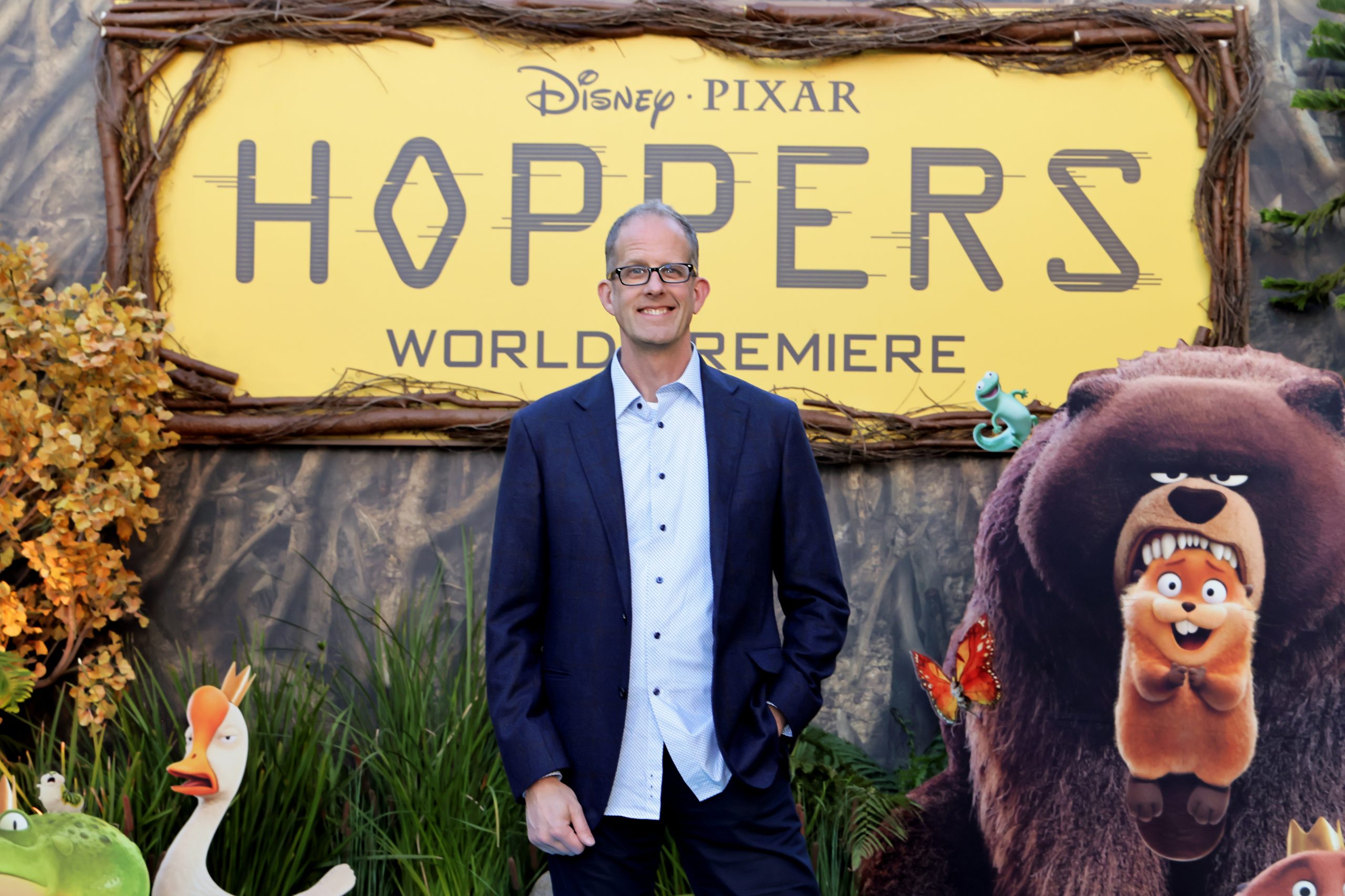
Pete Docter says Pixar isn’t making “hundreds of millions of dollars of therapy.” But for kids who never see themselves on screen, representation isn’t therapy—it’s visibility.
When I was growing up, I rarely saw anyone like me on screen. When I did, those characters were usually the punchline.
I started watching movies on the big screen in the late 1980s. When I moved beyond traditional animation and family-friendly fare in the 1990s, transgender characters in film and television existed largely as jokes, disguises, or plot twists. They certainly weren’t the heroes of the story, and they almost never appeared in movies made for children.
Unless you count the dinosaurs in Jurassic Park who could change their sex because of frog DNA.
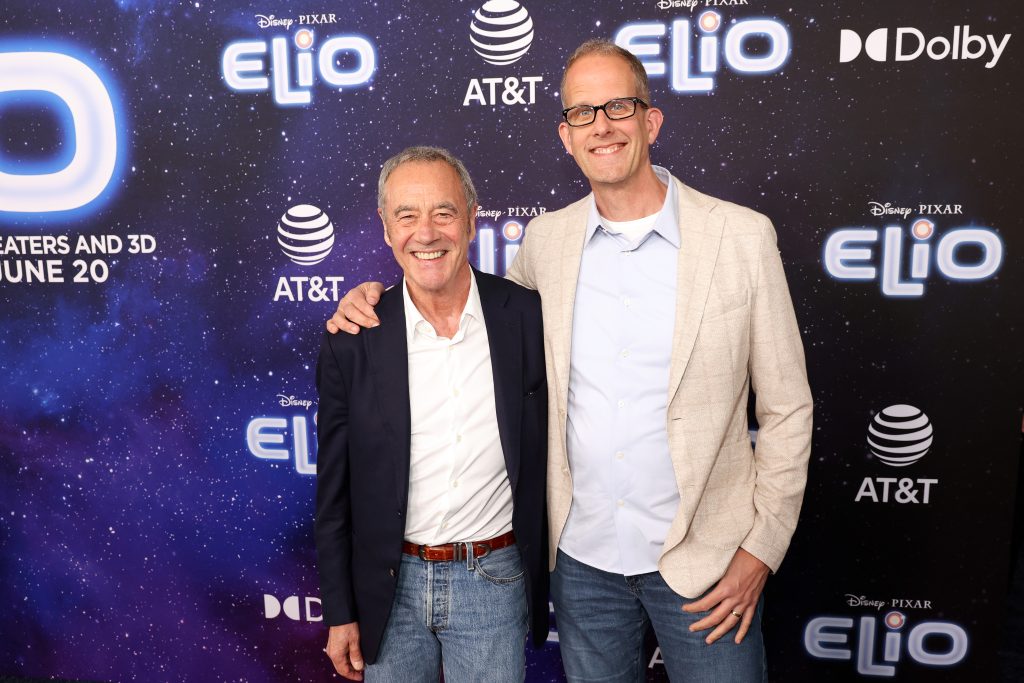
That’s why a recent comment from Pixar chief creative officer Pete Docter landed with such a thud. The Pixar CCO addressed changes made to both Elio and Win or Lose during a recent interview with The Wall Street Journal. According to Docter, Pixar “found some parents didn’t want entertainment to force them to have a conversation they weren’t ready for with their children.” Earlier versions of Elio reportedly included small details suggesting the character might be gay—like a pink bicycle and a scene where he imagines raising a child with a male crush.
“We’re making a movie, not hundreds of millions of dollars of therapy,” Docter said.
But here’s the thing: if a parent doesn’t want to have that conversation after a movie, there’s a good chance they were never going to have it at all. Now, I’m not going to guess if the parents that Pete Docter is talking about are Democrats or Republican, pro-LGBTQ rights or anti-LGBTQ rights, but if there are parents who don’t want to have that conversation, families with LGBTQ children should not be the ones who are punished. LGBTQ filmmakers should not be the ones who are punished.
I don’t view going to the movies as being a form of therapy. I view it as an opportunity to escape into a world that someone else created. But at the same time, those films might resonate with me more if I find myself in those films. Maybe that’s why I recently wrote a fiction novel set in an alternate universe impacted by a cosmic shift. The back half of the story is on pause at the moment as I work on my memoir about growing up as a Jewish woman in an AMAB body through a media lens of movies, TV, and music.
When I couldn’t see myself in the play-for-jokes trans characters, I had no choice but to look for the straight women in movies or TV. But if Pete Docter thinks that was a form of therapy, he’s wrong. On-screen representation is simply acknowledging that LGBTQ people exist and not just as adults, but children, too.
As for Pete Docter’s argument that parents aren’t ready, will they ever be ready? If the parents are homophobic or transphobic, they’ll probably never be ready. And if that is truly the case, why should bigots have to be rewarded for their views? I couldn’t have the conversation with my parents when I needed to because media didn’t offer anything that could have given me the language during the 1990s, let alone the early 2000s. By the time I finally had the language in 2015, the damage had already been done.
Movies often spark conversations, whether it be death, divorce, bullying, friendship, etc. When I was growing up, you couldn’t watch an animated Disney movie without one of the character’s parents dying on screen during the film or at some point off camera before it started. So, if I understand Pete Docter correctly, talking about death is okay but LGBTQ children aren’t worth having the same conversation? Got it.
When studios decide LGBTQ characters should only exist as punchlines—or not at all—they send a message. That LGBTQ people don’t belong in these stories. That we don’t matter.
It’s a message I’m already hearing from the current presidential administration. An administration that denies the existence of transgender people and is doing everything it can to erase us from public life. I don’t need to hear it echoed by Pete Docter or any studio executives at America’s most influential media companies as well.
There’s an irony in what Pete Docter is saying. Pixar has recently emphasized the need for stories that “appeal to everybody,” yet the studio has never been afraid to tackle emotionally sophisticated storytelling. There’s a reason why Inside Out and Soul are among Pixar’s 11 Oscar wins for Best Animated Feature. It’s because they are some of the best films that the studio has put out, even as they tackle emotional complexity. But when you add anything LGBTQ-related to the film’s plot, it suddenly becomes too much for the studio?
I hope Pete Docter understands that LGBTQ youth notice what’s missing on screen. The silence doesn’t protect LGBTQ youth. In fact, it isolates LGBTQ children—not to mention adults to some extent—at a time when we need allies the most. It’s horribly frustrating that a studio as prominent as Pixar has decided that it’s not worth embracing the LGBTQ children in its audience.
Having LGBTQ representation in film isn’t about forcing a conversation. It’s about acknowledging that LGBTQ youth exist. That LGBTQ people are valid.
And that we have every right to exist in these stories alongside everyone else, including films like Elio. No questions asked.
Pixar released Hoppers in theaters on March 6, 2026.
Please subscribe to The Solzy Report and visit Dugout Dirt.