Danielle Solzman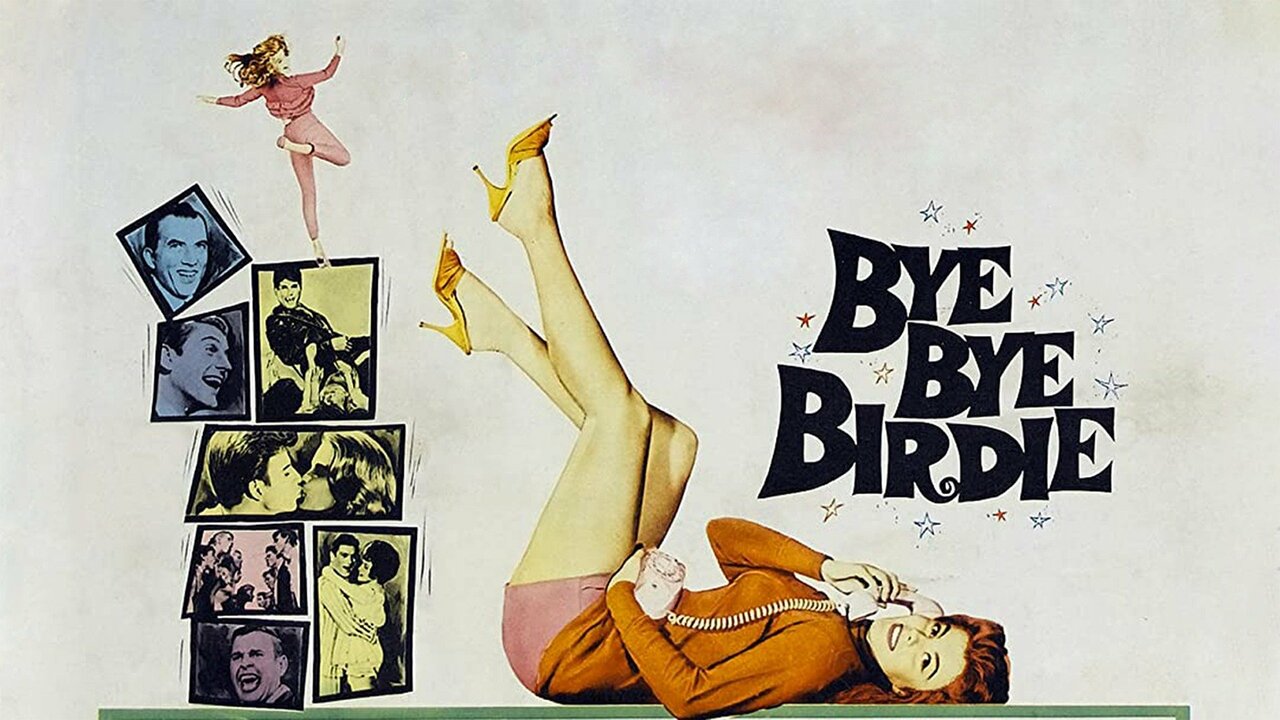
Inspired by Elvis Presley’s real-life Army conscription, the satirical Bye Bye Birdie adapted the hit Broadway musical for the screen, with Dick Van Dyke and Paul Lynde reprising their stage roles.
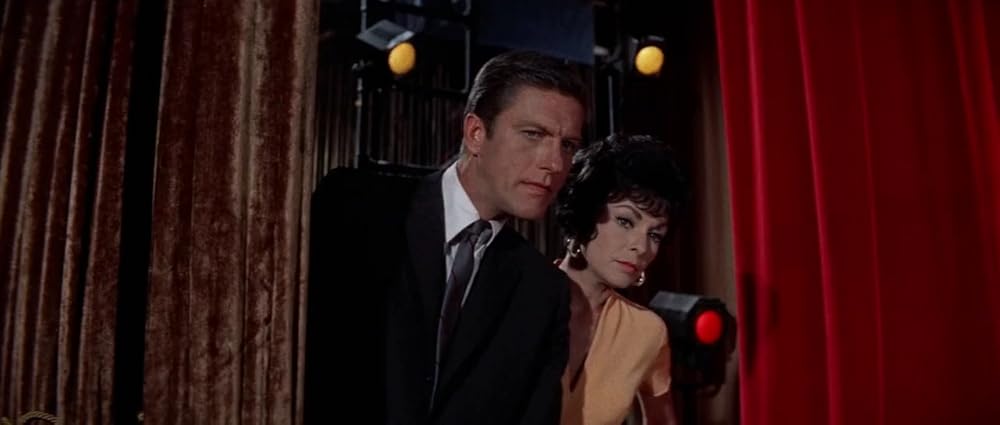
In 1962, rock ’n’ roll heartthrob Conrad Birdie (Jesse Pearson) is drafted into the Army, sending teenage fans into hysterics. Hoping to revive his stalled songwriting career, biochemist-turned-music man Albert Peterson (Dick Van Dyke) devises a scheme: Conrad will perform a new farewell tune on The Ed Sullivan Show and kiss a randomly chosen girl on live TV. Albert’s loyal girlfriend and secretary Rosie DeLeon (Janet Leigh) secures the booking, hoping that once the stunt succeeds, he’ll finally stand up to his meddling mother Mae (Maureen Stapleton) and marry her.
Columbus, Ohio, is selected for Conrad’s big goodbye, and high schooler Kim MacAfee (Ann-Margret) is chosen for the coveted televised kiss—much to the dismay of her freshly pinned boyfriend, Hugo Peabody (Bobby Rydell). As Sweet Apple erupts with gossip and musical enthusiasm, Conrad’s arrival ignites pandemonium. Swooning girls and resentful boys greet him with dueling anthems, while his hip-thrusting antics during “Honestly Sincere” leave even respectable adults fainting in his wake.
Kim’s father Harry (Paul Lynde) briefly forbids his daughter’s participation until Albert wins him over with promises of family fame and a peek at his quirky animal-boosting invention. Trouble deepens when Conrad impulsively kisses Kim during rehearsal, prompting her breakup with Hugo and sending the local teens spiraling into a rebellious night out. Meanwhile, Albert loses Conrad’s spot on the show to an extended Russian ballet and ends up drowning his sorrows at Maude’s Madcap Café, where he finds both Rosie and Mae confronting their frustrations.
Determined to save the day, Rosie slips one of Albert’s pills into the conductor’s milk, speeding up the ballet and restoring Conrad’s slot on the broadcast. But when Conrad leans in to kiss Kim on live TV, Hugo rushes the stage and decks him, inadvertently rekindling his romance with Kim. With the chaos resolved, Albert finally commits to Rosie, Mae announces her own engagement, and harmony returns to Sweet Apple. Conrad makes his exit, and Kim—now wiser—gives him a final sendoff.
Bye Bye Birdie is one of those musicals that people just know, in part because of either Dick Van Dyke or Elvis. It doesn’t hurt that a number of the songs are incredibly catchy. I watched the 1963 film back in 2009 and naturally did a rewatch heading into Dick Van Dyke’s 100th birthday weekend. I also saw the Jason Alexander version when it aired on ABC in 1995. But after watching a press screener of Starring Dick Van Dyke, it felt right to continue the celebration with another viewing. Mary Poppins is also an appropriate film, too.
In addition to marking Van Dyke’s feature film debut, Bye Bye Birdie was a breakout performance for Ann-Margret. Thanks to her work here, she would later be cast opposite the real Elvis Presley in Viva Las Vegas. She gets third billing, but maybe it’s just me—she seems to have more to do than Janet Leigh, who receives top billing.
The thing about Bye Bye Birdie is that it’s very much a film of its time. Where Chita Rivera originated Rosie on Broadway, Janet Leigh steps into the role on screen—and even wears a wig to play her. But Leigh’s casting also carries over the same concerns about the character’s heritage that existed in the stage musical. They couldn’t get away with this today, much in the same way that Natalie Wood shouldn’t have been cast in West Side Story for similar reasons.
As much as Leigh’s casting raises questions, the principal cast overall doesn’t feature any minorities. Unless my eyes deceived me, I don’t think I saw a single Black actor in the entire film. Granted, I watched Bye Bye Birdie late at night, but it really is reflective of its era. Still, you’d think Sweet Apple High School might have had at least a few Black students.
Casting issues aside, Bye Bye Birdie genuinely captures the era and remains a lot of fun to watch. Dick Van Dyke’s performance shows exactly why he’s an American icon, even if he himself has admitted to not being a fan of the film. And to think, he could have been fired from the musical if they hadn’t given him “Put On a Happy Face.” It’s a film that still works because of its charm, energy, and perfectly timed performances.
As for the chaos in Sweet Apple, Beatles movies and documentaries suggest it’s not far off from how fans behaved. Would a rock star get decked onstage? There ought to have been better security to prevent that from happening! Interestingly enough, Bye Bye Birdie premiered just over ten months before The Beatles’ first appearance on The Ed Sullivan Show, changing America forever.
DIRECTOR: George Sidney
SCREENWRITER: Irving Brecher
CAST: Janet Leigh, Dick Van Dyke, Ann-Margret, Maureen Stapleton, Bobby Rydell, Jesse Pearson, with Paul Lynde, Mary LaRoche, Michael Evans, Robert Paige, Gregory Morton, Bryan Russell, Milton Frome, and Ed Sullivan
Columbia Pictures released Bye Bye Birdie in theaters on April 4, 1963. Grade: 4/5
Please subscribe to The Solzy Report and visit Dugout Dirt.