Danielle Solzman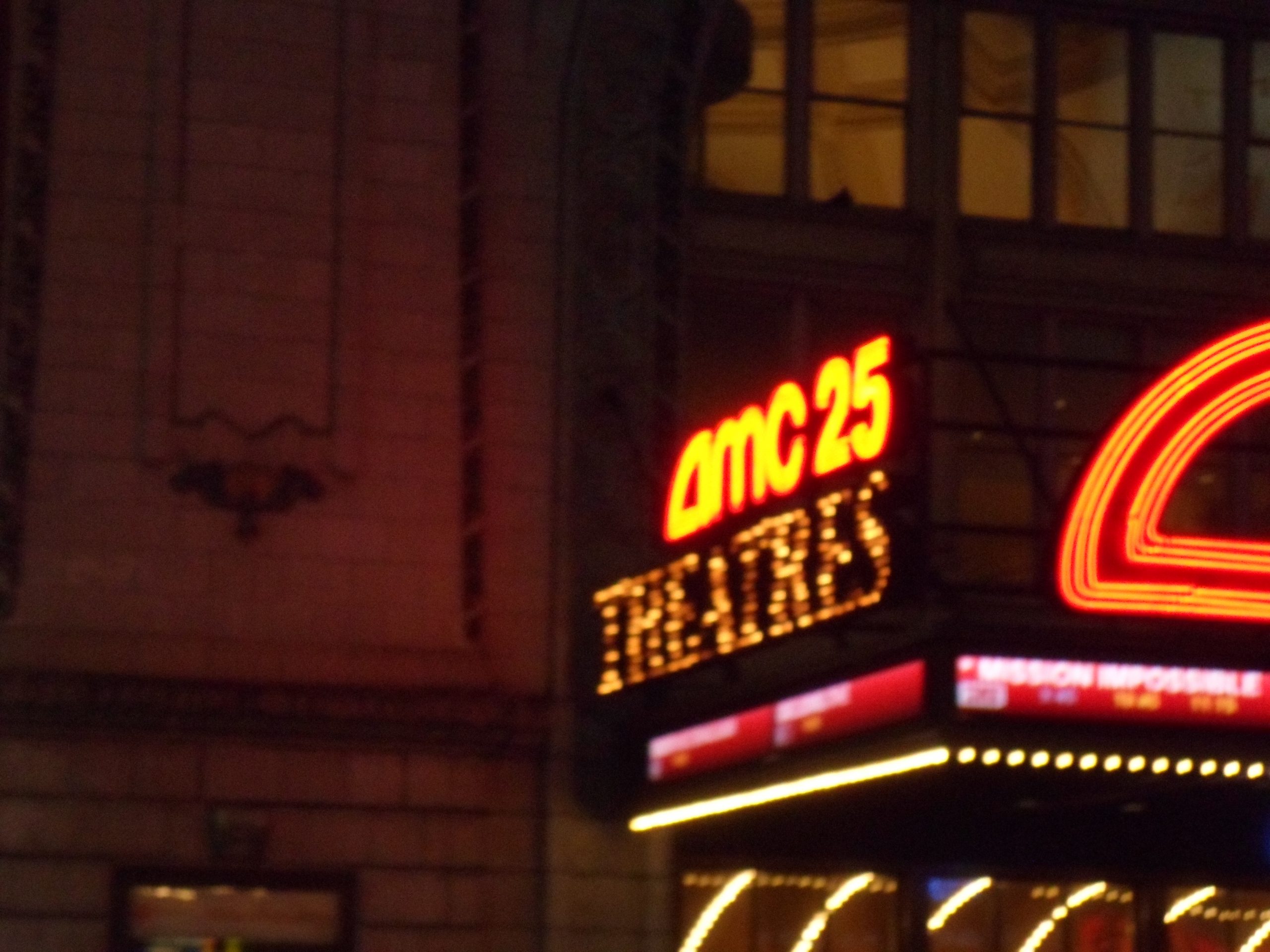
Sony Pictures CEO Tom Rothman had a message for how theater chains could improve during this year’s CinemaCon presentation. He’s not wrong. There is no reason on earth for playing a half hour of trailers and commercials after the listed start time.
I’ve been going to the movies since the late 1980s, but it wasn’t until the mid-2000s that I began paying for my own tickets. Those were the days, because tickets were much cheaper—far more affordable than what it costs to attend movies today, which is basically an arm, a leg, and your firstborn. While I prefer seeing movies for the first time in theaters, ticket prices have skyrocketed to the point that I completely understand why so many people are choosing to wait for films to become available on streaming services. Die-hard moviegoers might subscribe to A-List, but the casual moviegoer doesn’t.
For a family of four to go to the movies, it could cost close to $100 between tickets and food. This might be fine for a trip to Broadway or a sporting event, but movies should never cost this much! When families are paying that much, you could not blame them for opting to wait for streaming instead. If studios could listen to Tom Rothman, they would be doing everybody a big favor. Otherwise, many people will end up waiting for event movies like Project Hail Mary and not show up in as many numbers for other films.

Tom Rothman Didn’t Hold Back at CinemaCon
Tom Rothman, Chairman and CEO of Sony Pictures Entertainment’s Motion Picture Group, did not hold back in his message at CinemaCon this week. He urged theater owners to treat this as their “Olympic moment” by setting “three immediate goals,” which he described as “hard choices for the long term rather than the short-term health” of the industry.
In recent years, theater chains like AMC Theatres have decided it was in their best interest to expand the time between the listed start time and the actual start time by about half an hour. Remember when it used to be 10–15 minutes of trailers? Those days are long gone. But if Tom Rothman has anything to do with it, theater chains might come to their senses:
“Get off the ad crack. Infrequent moviegoers arrive at showtime and hate being forced to watch endless commercials, which they don’t have to do at home, where the movies are free.”
If I miss a press screening, I often don’t even bother anymore. AMC Theatres’ 50% discounts on Tuesday and Wednesday aren’t enough to offset waiting a half hour after the listed showtime for the film to actually start. Outside of press screenings last year, I only paid for two movies that I can recall: Jurassic Park Rebirth and Superman. The former got me out of my apartment during an awful heat wave, and the latter got me out on Independence Day with a coupon.
This segues into the second issue that Tom Rothman discussed: theaters are no longer as affordable as they once were. It used to be that the first showing—or any showing before noon—was the cheapest. Those showings gradually increased in price, as did afternoon matinees. With gas prices rising and groceries showing no signs of slowing down, entertainment is one of the first things people cut. Take it from me—without press perks, I wouldn’t subscribe to as many streaming services as I currently do. And I certainly wouldn’t be going to the movies nearly as often, especially at current prices.
Tom Rothman on affordability:
“Affordability is by far the No. 1 economic issue for the majority of Americans. Going to the movies must become more affordable again. I know business has been tough. I’m not heckling; I’m rooting for you, because many of you have made wonderful investments in upgrading your theaters.”
Prior to the pandemic, the theatrical window was typically 90 days. On the other side of it, the window is now about 45 days—and some studios are sending films to digital even earlier. Tom Rothman had a message on that front as well:
“Enforce longer windows, even if that means you cannot play every film.”
This doesn’t even begin to touch on other issues that could improve the moviegoing experience. Alamo Drafthouse once set the gold standard by strictly enforcing a no-texting, no-talking policy. But recent changes to how food orders are handled during films have started to turn off audiences, making some people think twice about going to the movies.
I can say from personal experience that watching movies at home is not the same as watching them in a theater. And while many studios are pushing the theatrical experience for their films, that isn’t always the case for critics seeing them for the first time, especially with mid-major and niche distributors. Studios like Bleecker Street have largely given up on press screenings, opting instead to send digital screener links. This might not be the case in New York or Los Angeles, but I don’t live in either of those markets. For many smaller indie films, it’s now a digital screener instead of a press screening.
But if we want to talk about the theatrical experience, there have been plenty of times where Sony Pictures chose to screen their films for press in New York and LA while ignoring other markets. Press screenings mean not sitting through a half hour of trailers. If Tom Rothman wants non-NY/LA press to see Sony movies in theaters, the studio should not skip over markets simply because they are not New York or LA.
Make no mistake that the theatrical experience is not what it used to be. Theater owners could do their part by listening to Tom Rothman by cutting back on the ads, make movies affordable, and give films longer runs in theaters.
Please subscribe to The Solzy Report and visit Dugout Dirt.